


-
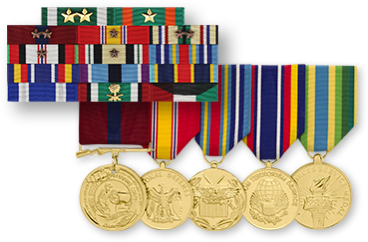
EZ Rack Builder
The Regulation Military Medals Rack Builder. Build your ribbon and medal racks in just a few easy steps.
Build a Rack -

EZ Shadow Box Builder
Use our cutting edge Shadow Box Builder to personalize your own shadow box and order it with ease.
Build a Shadow Box -

Navy Leather Name Tag Builder
Quickly build and customize your own Navy leather name tag.
Build a Leather Patch -

Name Tag Builder
Create professionally crafted Name Tapes, Branch Tapes, and Name Plates all in one easy to use builder.
Build a Name Tag -

Dog Tag Builder
Quickly create personalized and embossed Military Service ID Tags.
Build a Dog Tag -

Navy Cap Builder
Create customizable Navy Caps with over 150 different naval ship classes, insignia, rank and more!
Build a Navy Cap -

USWAG Builder
Create your one-of-a-kind t-shirt, mug, flask & much more with our easy to use builder.
Build a USWAG Product -
0

My Items
View and edit your completed items.
My Saved Items
Login now to permanently save the items you build in your account.

Welcome to EZR Shop!
Select a builder below to get started.